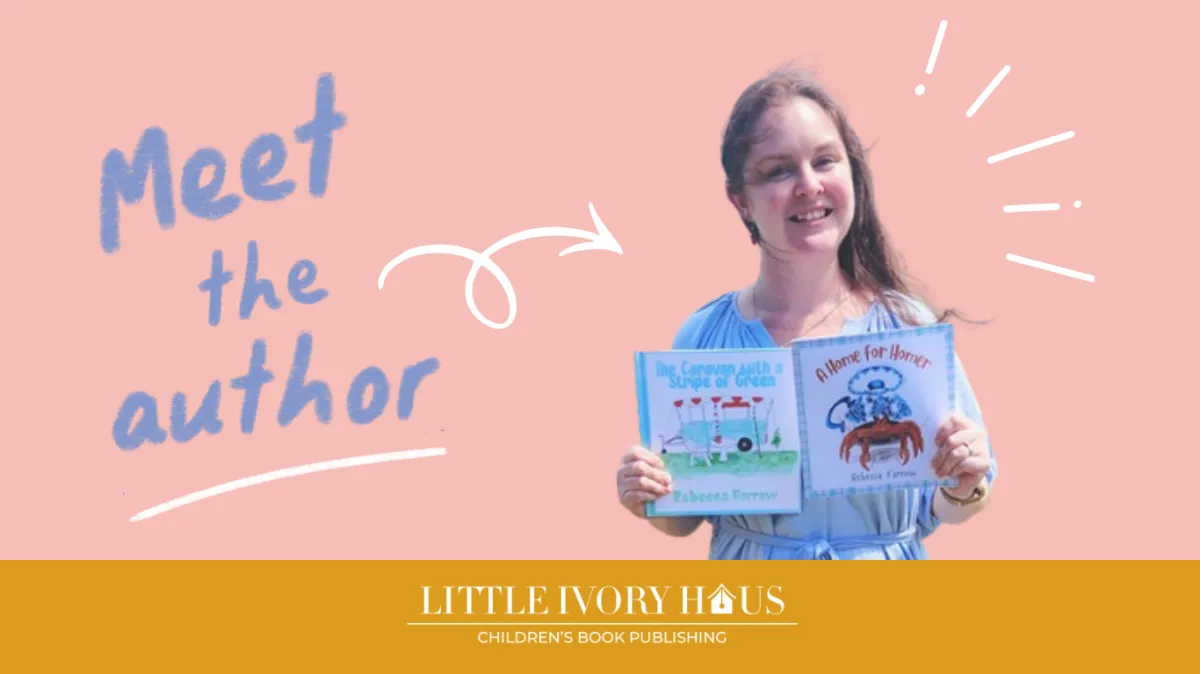
Rebecca Farrow
Meet the Author - Rebecca Farrow
Teaching Kids About Real-Life Animal Challenges Through Children's Books - The Story Behind 'A Home for Homer'
“Take only photos and leave only footprints.”
It’s a mantra I first heard in primary school during a science class, and it stuck with me. Most young Australian children grow up hearing that hermit crabs like to recycle shells — but with our vast, beautiful beaches, we rarely see the consequences of taking shells home in our pockets.
For many kids, there’s no emotional context. No visible impact. No sense that removing something small from nature can create a very big problem for the creatures who rely on it.
But in other parts of the world, the effects are impossible to ignore. Plastic pollution, shrinking shorelines, and a shortage of suitable shells mean hermit crabs are often forced to make do with whatever they can find — bottle caps, broken toys, and other discarded debris. Their struggle is real, and it’s growing.
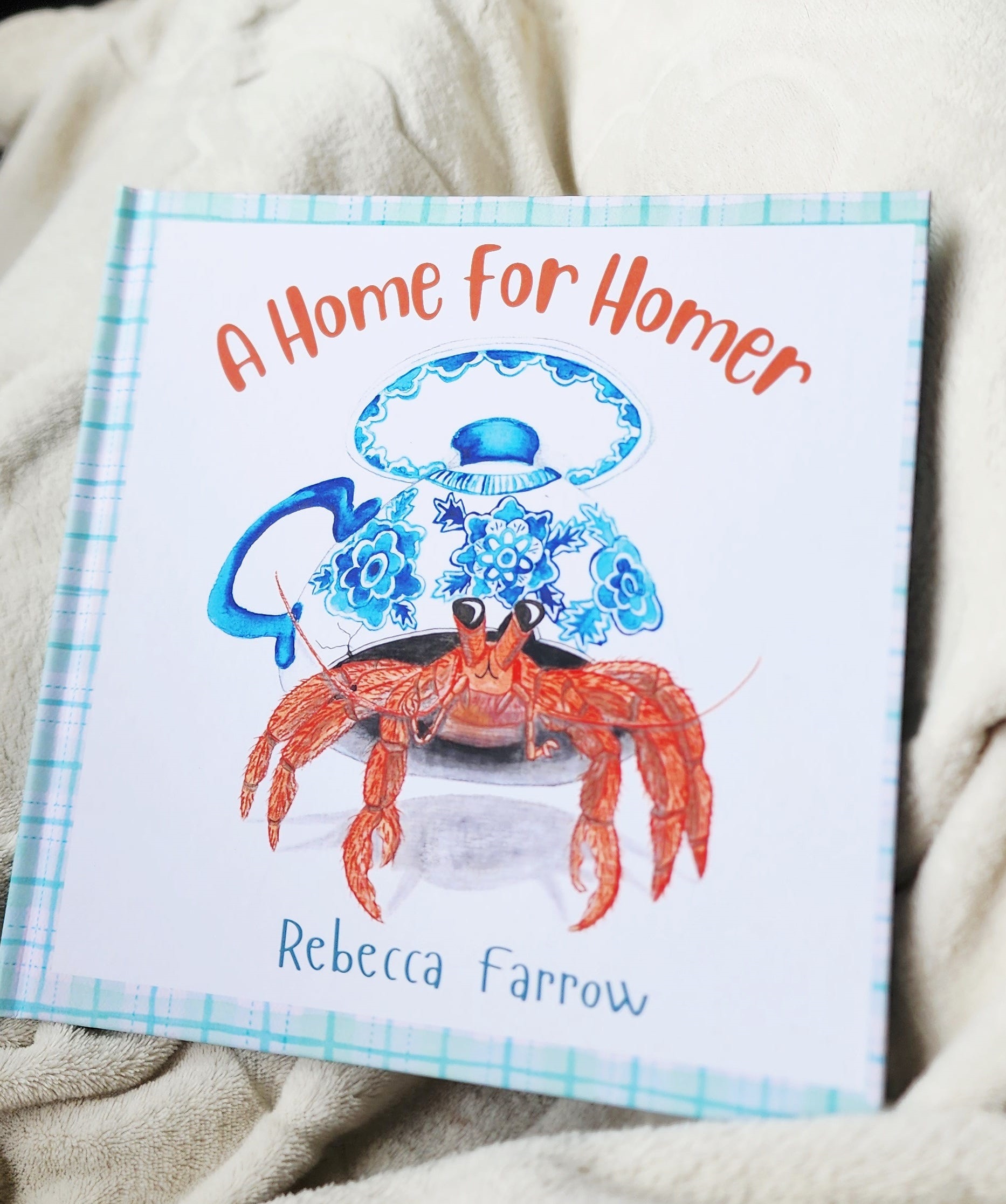
Writing A Home for Homer

When I wrote A Home for Homer, I wanted to create a character children could truly cheer for — someone lovable, determined, and relatable. The book opens with a simple explanation of why shells are essential for hermit crabs’ survival, setting the stage for Homer’s adventure.
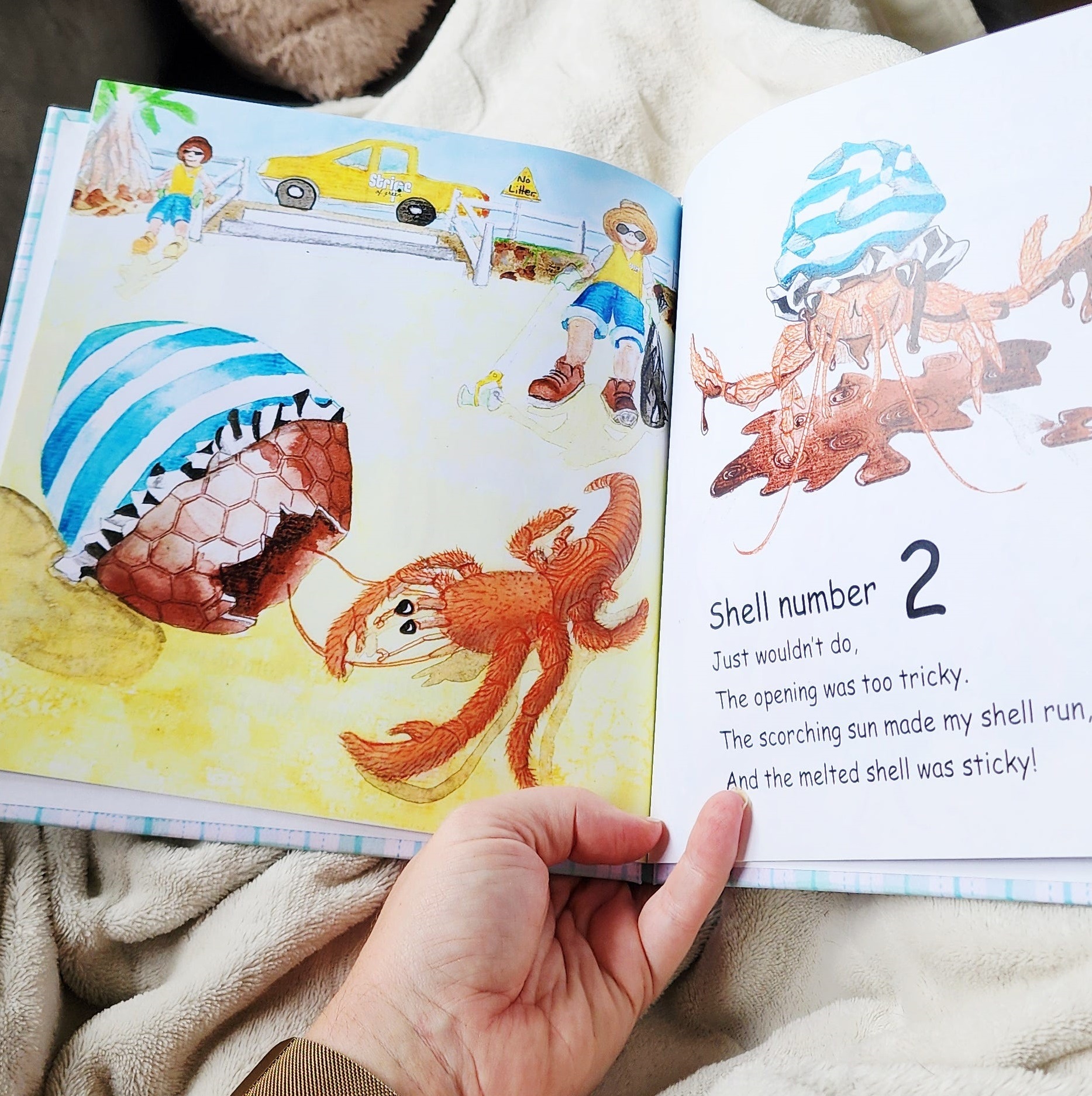
Homer sets off to find a new “shell,” but the options he discovers are far from ideal. Each one is an inconsiderately discarded item, and with every attempt, his frustration grows. Yet so does his resilience. Through rhyme, rhythm, and counting, children follow Homer’s journey with curiosity and empathy, engaging both emotionally and cognitively.
A Second Story Told Through Watercolour

While Homer searches, another narrative quietly unfolds in the illustrations. A clean‑up crew arrives on the beach, working behind the scenes to restore his habitat. Their presence adds a hopeful layer — a reminder that small actions, done together, can make a meaningful difference.
This visual subplot encourages children to notice the helpers, the problem‑solvers, the people who care. It reinforces the idea that protecting nature isn’t just a message — it’s something we can all take part in.
Why These Stories Matter

Children’s books have a unique power: they can turn complex environmental issues into gentle, accessible lessons. By giving kids a character to root for, we help them build emotional connections with the natural world — connections that last far beyond the final page.
Stories like Homer’s spark conversations about responsibility, empathy, and the impact of our choices. They help children understand that even small actions, like leaving shells on the beach, can protect the homes of tiny creatures who depend on them.
If you’d like to bring Homer’s story into your home or classroom, you can purchase A Home for Homer through my online store. Every copy supports more nature‑inspired stories for curious little minds.

Learn More:
Instagram: https://www.instagram.com/rebeccafarrowbooks
Facebook: https://www.facebook.com/RebeccaFarrowAuthor
